
Contact information
13823166663
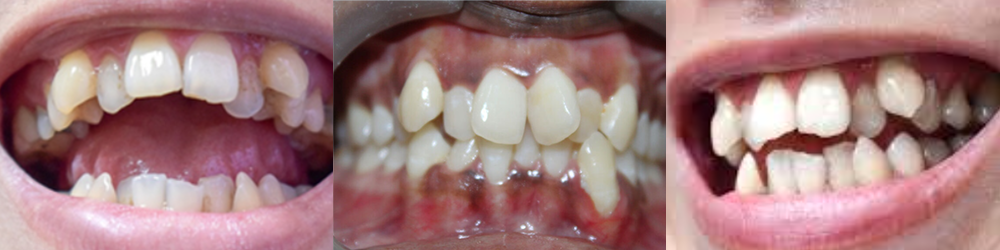
Teeth Crowding
Dental crowding is a condition where there is insufficient space in the dental arch for all the teeth to fit properly.
This misalignment can lead to various dental issues, making it essential to understand its causes, symptoms, potential complications, and treatment options.
Causes
Dental crowding can arise from several factors, including:
Genetics: A family history of dental crowding can predispose individuals to similar issues, as tooth size and jaw size are often inherited traits.
Early Tooth Loss: Losing primary teeth prematurely can cause adjacent teeth to drift into the empty space, leading to crowding as permanent teeth erupt.
Jaw Size: A smaller jaw may not accommodate all the teeth comfortably, leading to misalignment.
Habits: Prolonged thumb sucking, tongue thrusting, or using pacifiers beyond infancy can impact the alignment of teeth and jaws.
Impacted Teeth: Teeth that do not fully erupt due to lack of space can contribute to crowding.
Symptoms
Misaligned Teeth: Teeth may overlap or be positioned at odd angles.
Difficulty in Cleaning: Crowded teeth can create tight spaces that are hard to clean, increasing the risk of plaque buildup and cavities.
Jaw Discomfort: Crowding can lead to jaw pain or discomfort due to improper bite alignment.
Speech Issues: In some cases, crowded teeth can affect speech clarity.
Negative Effects
If left untreated, dental crowding can lead to several negative consequences:
Increased Risk of Cavities: Crowded teeth are harder to clean, increasing the likelihood of decay and gum disease.
Bite Problems: Misalignment can result in an improper bite, leading to further dental complications, including jaw pain and headaches.
Aesthetic Concerns: Crowded teeth can affect facial appearance and self-esteem, leading to social anxiety or reluctance to smile.
Wear and Tear: Improperly aligned teeth may wear down unevenly, leading to additional dental issues over time.
Treatments
Treatment for dental crowding typically involves orthodontic intervention. Common options include:
Braces: Traditional metal braces or ceramic braces can gradually shift teeth into better alignment over time.
Clear Aligners: Options like Invisalign provide a more discreet method for correcting crowding with custom-made aligners.
Tooth Extraction: In some cases, extracting one or more teeth may be necessary to create space for proper alignment.
Retainers: After orthodontic treatment, retainers help maintain the position of teeth and prevent relapse.
Orthodontic Evaluation: Early evaluation by an orthodontist can help identify crowding issues before they worsen, allowing for timely intervention.
In conclusion, dental crowding is a common issue that can lead to various dental health problems if not addressed. By recognizing its causes and symptoms, seeking appropriate treatment, and maintaining good oral hygiene practices, individuals can effectively manage crowding and improve their overall dental health.