

Contact information
13823166663
What is Implant?
Dental implant restoration is a highly effective procedure designed to replace missing teeth and restore function and aesthetics to the smile. This process involves placing an artificial tooth root into the jawbone, which serves as a foundation for a replacement tooth or bridge.
What Are Dental Implants?
Dental implants are titanium posts that are surgically placed into the jawbone. They act as artificial tooth roots, providing stable support for crowns, bridges, or dentures. Implants integrate with the bone through a process called osseointegration, making them a durable and long-lasting solution for tooth replacement.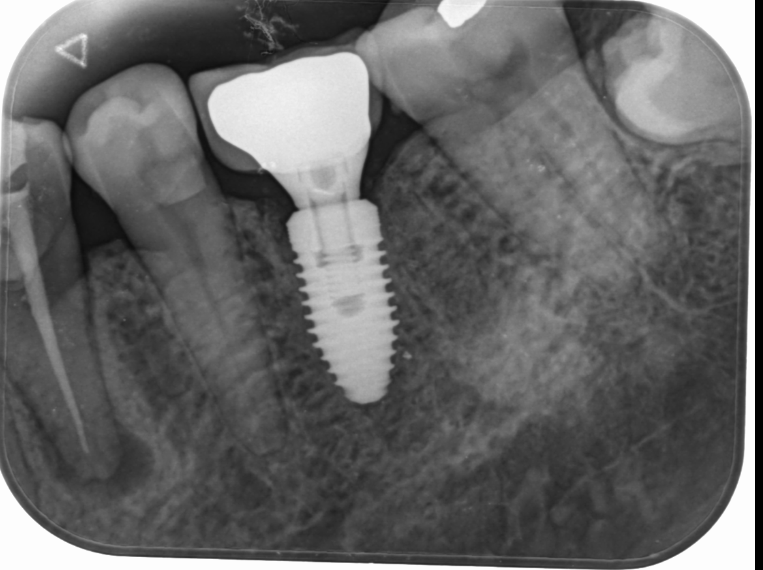
Why Choose Dental Implant Restoration?
Natural Appearance: Dental implants closely resemble natural teeth in both function and appearance, offering an aesthetically pleasing solution.
Improved Functionality: Implants restore the ability to chew and speak effectively, enhancing overall oral function.
Bone Preservation: By stimulating the jawbone, dental implants help prevent bone loss that often occurs after tooth loss.
Durability and Longevity: With proper care, dental implants can last many years, often a lifetime, making them a cost-effective long-term solution.
The dental implant restoration process typically involves several steps:
Consultation and Planning: A thorough dental examination, including X-rays and 3D imaging, is conducted to evaluate the jawbone and determine the best treatment plan.
Implant Placement: During a surgical procedure, the dentist places the titanium implant into the jawbone. This procedure may require local anesthesia and is generally well-tolerated.
Healing Period: After the implant is placed, a healing period of several months is necessary for osseointegration to occur. During this time, the bone fuses with the implant, providing a strong foundation.
Abutment Placement: Once healing is complete, an abutment (a small connector) is attached to the implant. This piece will hold the replacement tooth.
Crown Fabrication: A custom-made crow n is created to match the color and shape of the surrounding teeth. This crown is then securely attached to the abutment.
Final Restoration: After the crown is placed, the restoration is complete. Regular follow-up visits ensure that the implant is functioning well and that oral health is maintained.
Aftercare and Maintenance
To ensure the longevity of dental implants, proper oral hygiene is crucial. This includes regular brushing, flossing, and dental check-ups. Patients should avoid hard or sticky foods that could damage the implant and follow their dentist's recommendations for care.
ConclusionDental implant restoration is a reliable and effective solution for individuals with missing teeth. By providing a natural-looking, functional replacement, dental implants can significantly improve quality of life. Consulting with a qualified dental professional can help determine if dental implants are the right choice for restoring your smile.